Author name: admin

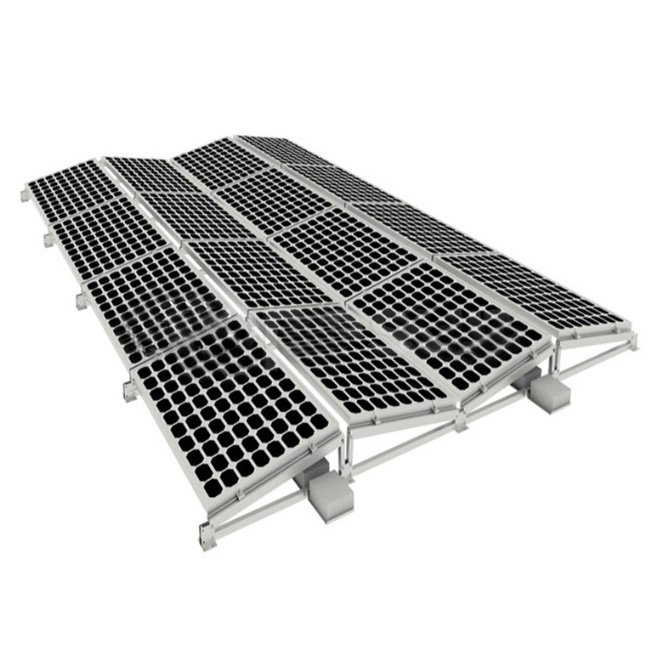
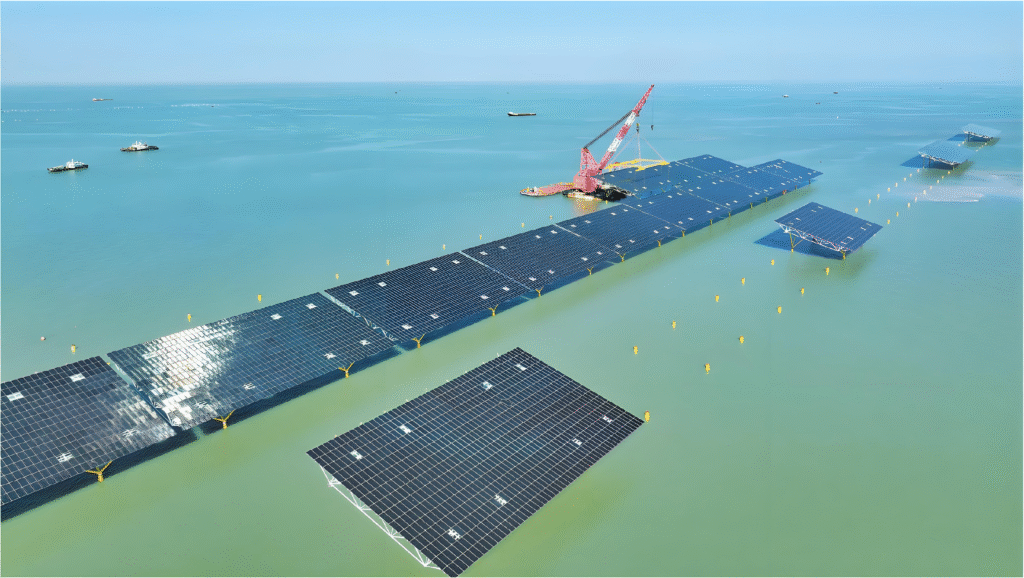
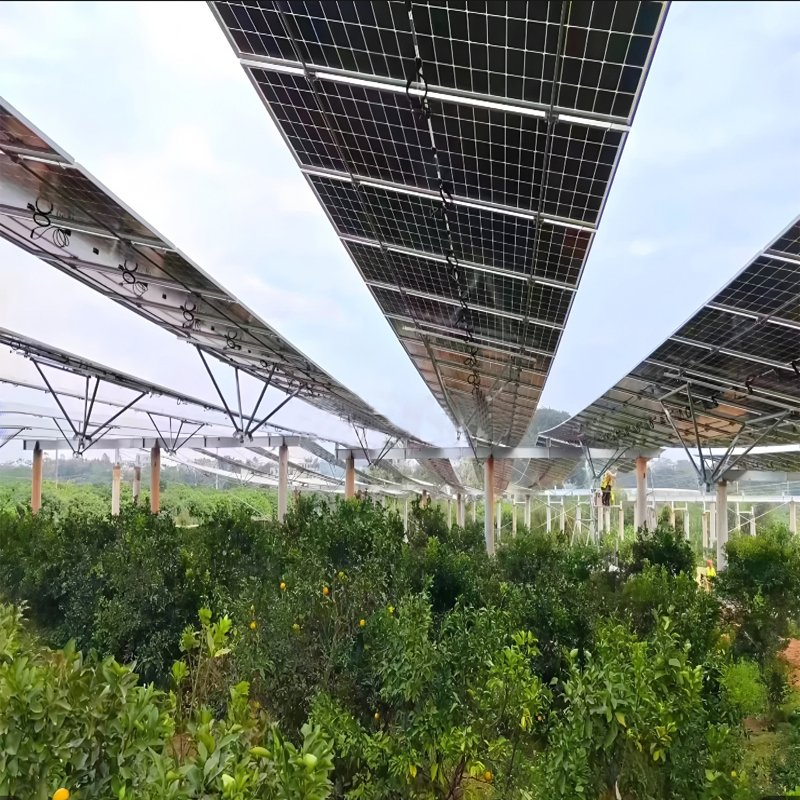
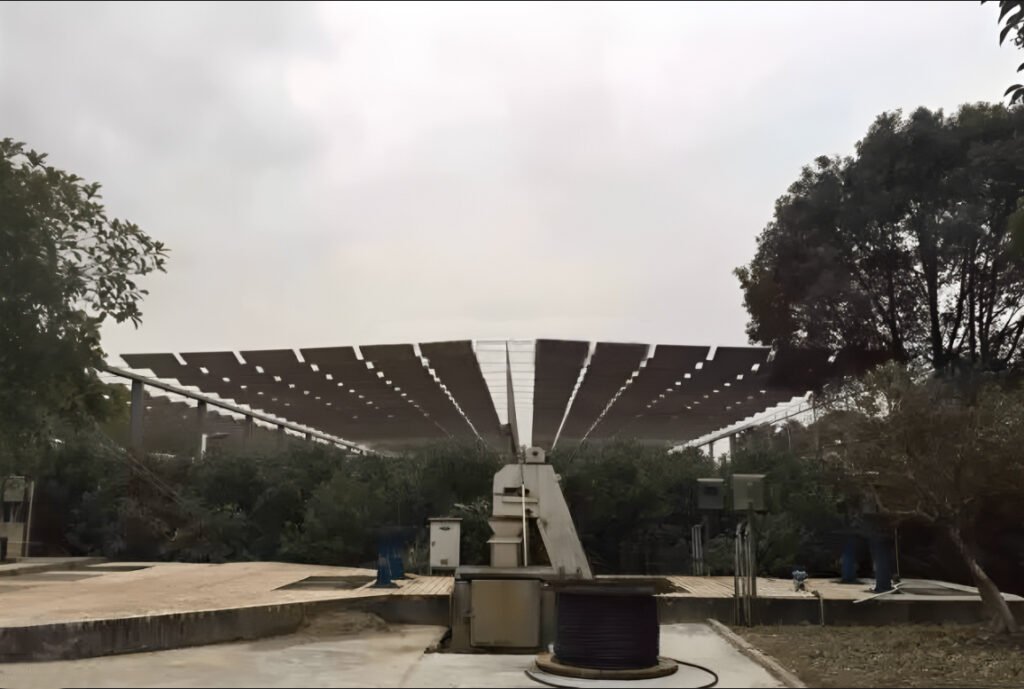
Qierjie Solar Flexible Mounting System: Pioneering Innovation in Photovoltaic Installation Technology

奇尔杰太阳能柔性支架系统:光伏安装技术的先锋创新 随着全球能源转型加速,迈向清洁低碳,太阳能光伏技术不断发展。奇尔捷新能源科技有限公司的柔性支架系统正以其独特的结构设计和卓越的性能,重新定义光伏电站建设标准。本文将全面解析奇尔捷柔性支架系统的技术特点、应用场景及市场价值,为行业从业者提供专业的见解。 项目背景和行业挑战 在全球碳中和目标的驱动下,光伏装机容量呈现爆发式增长。根据国际能源署(IEA)的统计,2024年全球光伏新增装机容量将达到350GW,创下历史新高。然而,传统的光伏支架系统在面对复杂地形和恶劣环境时,暴露出安装成本高、适应性差、材料浪费严重等诸多问题,严重制约了太阳能发电的进一步普及。 奇尔杰新能源科技有限公司成立于2018年,是一家致力于新能源领域创新研发的高科技企业。公司研发团队历经五年技术攻关,成功研发出拥有完全自主知识产权的太阳能柔性支架系统。该系统已获得23项国家专利,并获得TÜV、UL等国际权威认证。与传统的刚性支架系统相比,奇尔杰柔性支架系统可降低安装成本25%以上,土地利用率提升15%-30%,尤其适用于复杂地形条件下的光伏电站建设。 目前光伏支架市场面临的主要挑战包括: 地形适应性不足:传统钢铝结构在斜坡、丘陵、池塘等不规则地形上安装困难 抗风能力有限:传统设计在台风多发地区存在安全隐患 材料消耗高:大量使用钢材导致碳排放量增加,与可再生能源的环保理念相悖 安装效率低下:传统系统需要大量现场劳动力,导致人力成本过高 奇尔杰柔性支架系统是专为应对这些行业挑战而开发的创新解决方案,其设计理念和技术路线体现了光伏支架技术的未来发展方向。 技术特点和创新设计 The Qierjie Solar Flexible Mounting System employs a design philosophy combining pre-stressed cable structures with lightweight composite materials. Through systematic technological innovation, it achieves comprehensive breakthroughs in performance, cost-effectiveness, and adaptability for photovoltaic mounting solutions. The system comprises a high-strength flexible cable net, […]
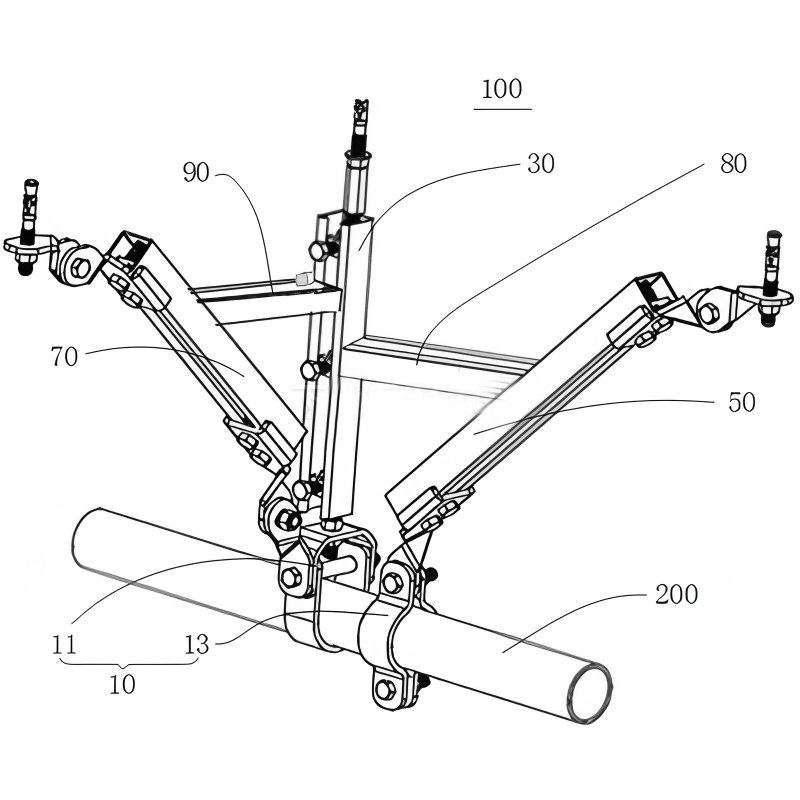
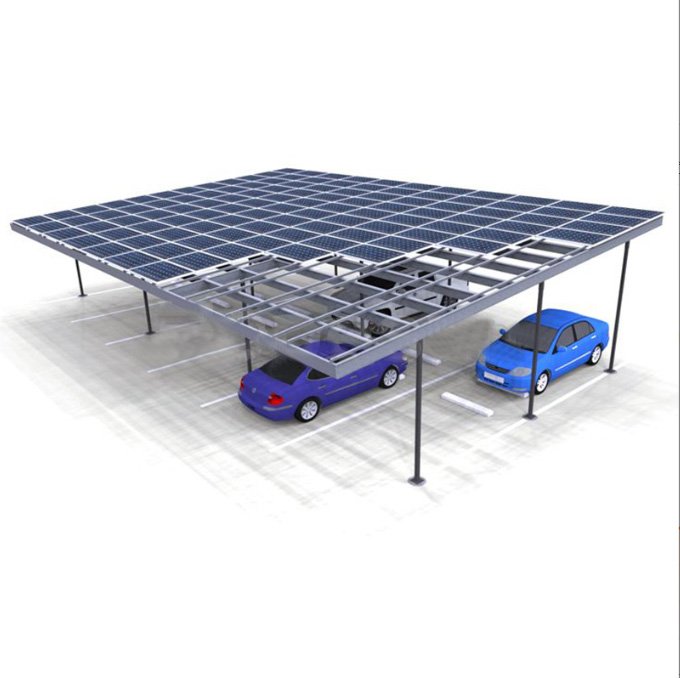
Qierjie Solar Flexible Mounting System: Pioneering Innovation in Photovoltaic Installation Technology Read More »

In-Depth Analysis and Selection Guide for Core Components of Seismic Support Systems

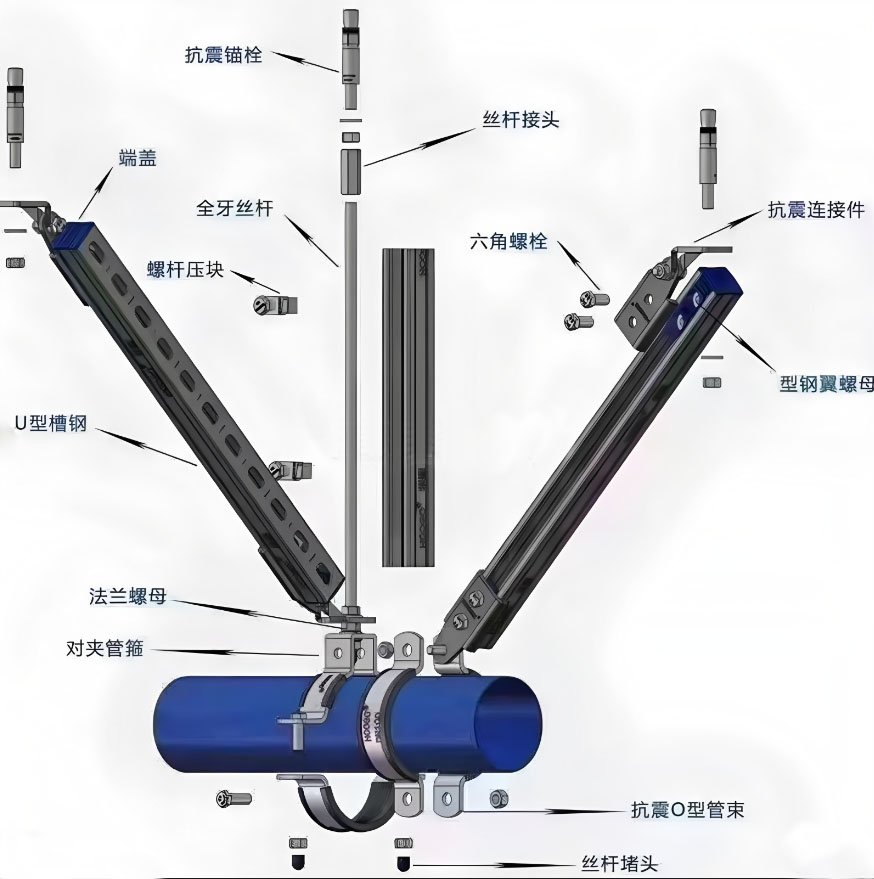
抗震支撑系统核心部件深度分析与选型指南 抗震支撑系统作为现代建筑机电工程中重要的安全设施,其性能的好坏直接取决于其各个部件的质量和兼容性。本文针对抗震支撑系统中的关键部件,从材料特性、力学特性、安装注意事项等方面进行全面分析,旨在为工程设计和施工人员提供专业指导。   抗震支撑系统概述及工作原理 抗震支撑系统是一种专门的抗震结构,旨在承受建筑物机电管道、风管、电缆桥架及类似装置的荷载,从而减轻地震期间非结构性构件的损坏。凭借其独特的机械设计和高质量的组件集成,这些支撑系统能够有效吸收和消散地震能量,防止管道系统脱落或断裂,确保建筑物内部机电系统的持续安全运行。 现代抗震支撑系统通常由抗震构件、加强型悬臂梁、锚固件、连接件和管夹组成,形成一个完整的承重框架。该系统必须满足基本的抗震要求:“在小震下无损,在中等震下可修复,在大震下不易倒塌。” 其性能直接影响到地震期间建筑物关键生命线的连续性和人员的安全疏散。   根据《建筑机电工程抗震设计规范》(GB50981-2014),抗震支撑必须能够承受水平方向的地震力,其抗震设计烈度与主体结构抗震烈度相匹配。这就要求每个部分都经过精确的计算和严格的部件选择,确保整个系统在地震荷载作用下能够协调一致地运行。   核心抗震支撑部件详细分析 槽钢及相关部件 槽钢是抗震支撑体系中的主要承重构件,其性能直接影响支撑结构的整体承载能力。目前主流产品包括:   热镀锌槽钢:采用Q235B碳素结构钢,经热轧、热镀锌工艺制成,镀锌层厚度≥80μm,具有优异的耐腐蚀性能。标准长度通常为3米或6米,翼缘厚度范围为1.5毫米至3.0毫米。常见的翼缘高度为41毫米、52毫米和62毫米。   不锈钢槽钢:采用 304 或 316 不锈钢制成,具有卓越的耐腐蚀性。特别适用于化工厂或沿海地区等高腐蚀环境。但成本较高,约为镀锌槽钢​​的 3-5 倍。   铝合金槽钢:重量轻、耐腐蚀,但承载能力相对较低,主要用于对重量敏感的特殊用途。   槽钢附件组件包括: 槽钢锁紧夹:用于槽钢型材之间的垂直连接,采用高强度钢材制造,保证接头刚度。 槽钢端盖:安装在槽钢端部,防止端面腐蚀,增强美观度 槽钢延伸板:用于水平延伸连接,通常要求连接强度不小于槽钢本身 抗震铰链和旋转接头 抗震铰链是抗震支撑系统中关键的可移动部件,允许管道在规定的范围内位移以吸收地震能量:   单向抗震铰链:仅允许在单个平面内旋转,适用于直管段的抗震支撑,通常可容纳±30°旋转角度。   万向抗震铰链:可实现多方向自由旋转,适用于复杂管道系统的抗震支撑,旋转角度一般在±15°至±30°范围内。   带锁定机构的抗震铰链:正常运行时保持固定状态,地震时自动释放旋转功能,将日常稳定性与抗震性能相结合。   高品质抗震铰链应具备以下特点:   阀体材质:球墨铸铁或不锈钢 旋转部件:自润滑轴承或青铜衬套 表面处理:热镀锌或达克罗涂层 静载荷能力≥5kN,动态疲劳寿命≥5000次 抗震管夹和夹紧装置 抗震管夹是将管道固定到抗震支架上的关键部件,旨在平衡保持强度和抗震性:   通用管夹: 适用于固定各种直径的管道 内衬橡胶保护管道并增强摩擦力 可调节设计,方便安装 专用夹具: 专为特定管道材料(例如 PVC、铜)设计

In-Depth Analysis and Selection Guide for Core Components of Seismic Support Systems Read More »

Solar Carport

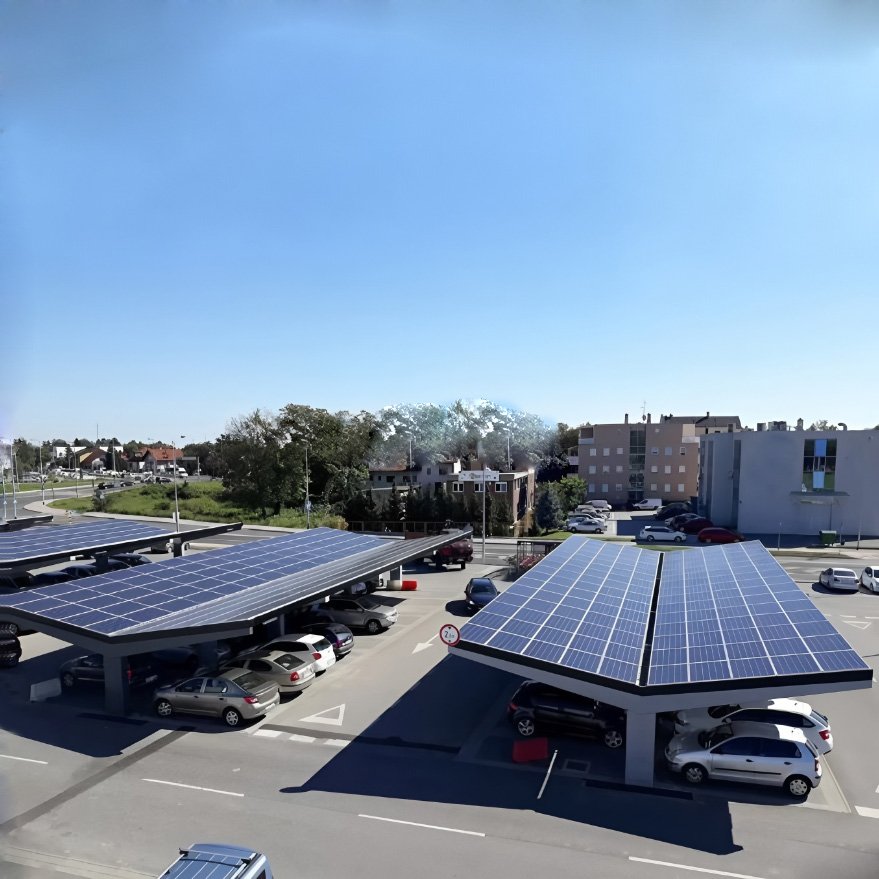
Solar Carport Definition and Core Functions A solar carport is a multifunctional facility that integrates parking protection with photovoltaic power generation. Its core functions include two aspects: providing a sheltered space for vehicles (cars, motorcycles, bicycles, etc.) to protect them from wind and rain, and converting sunlight into electricity through photovoltaic components installed on the

Read More »

Core Value Proposition of Solar Tracking Mounts

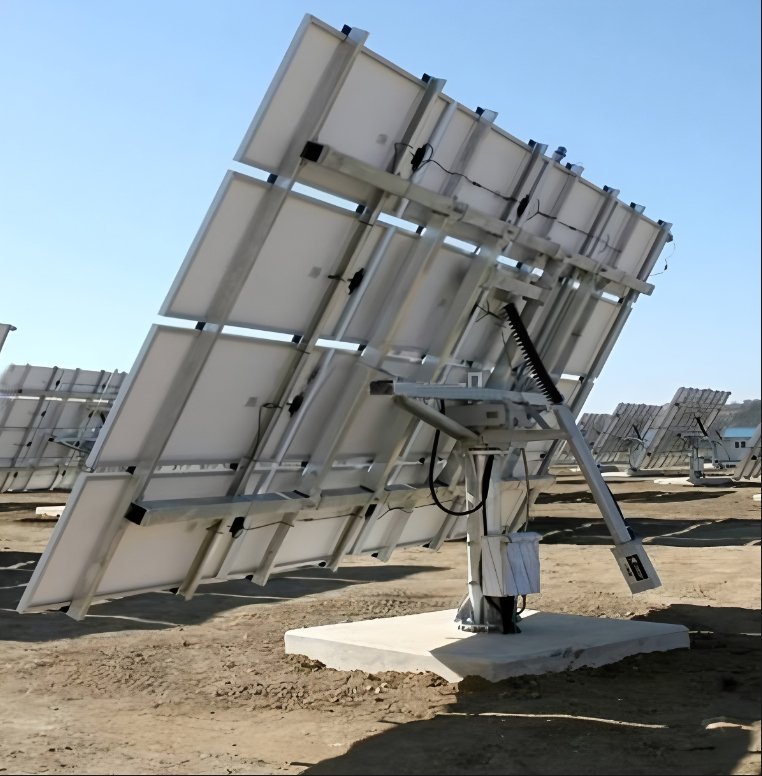
Core Value Proposition of Solar Tracking Mounts Revolutionising Power Generation Efficiency Performance Enhancement: Dual-axis tracking systems yield 25%-40% higher annual electricity production than fixed mounts (NREL data), while single-axis systems achieve 15%-30% gains. Cost per Kilowatt-hour Optimisation: High-precision sun-tracking reduces LCOE (Levelised Cost of Electricity) by 8%-15%, shortening investment payback periods by 2-3 years. Land

Core Value Proposition of Solar Tracking Mounts Read More »

Analysis of Seismic Bracket Disassembly

Analysis of Seismic Bracket Disassembly A seismic bracket is a component or device that limits the displacement of ancillary mechanical and electrical engineering facilities, controls facility vibrations, and transfers loads to the supporting structure. Its core function is to provide reliable protection for building mechanical and electrical engineering facilities during earthquakes, withstand seismic forces from

Analysis of Seismic Bracket Disassembly Read More »

Solar Canopies: The Integration of Green Architecture and Energy Innovation

Solar Canopies: The Integration of Green Architecture and Energy Innovation Solar canopies, as a combination of photovoltaic technology and architectural design, not only fulfil the traditional functions of canopies—providing natural light and shade—but also generate clean energy through photovoltaic panels, making them an important choice for modern green buildings. The following analysis explores four key

Solar Canopies: The Integration of Green Architecture and Energy Innovation Read More »

Technical Features and Application Value of Solar-Powered Base Stations

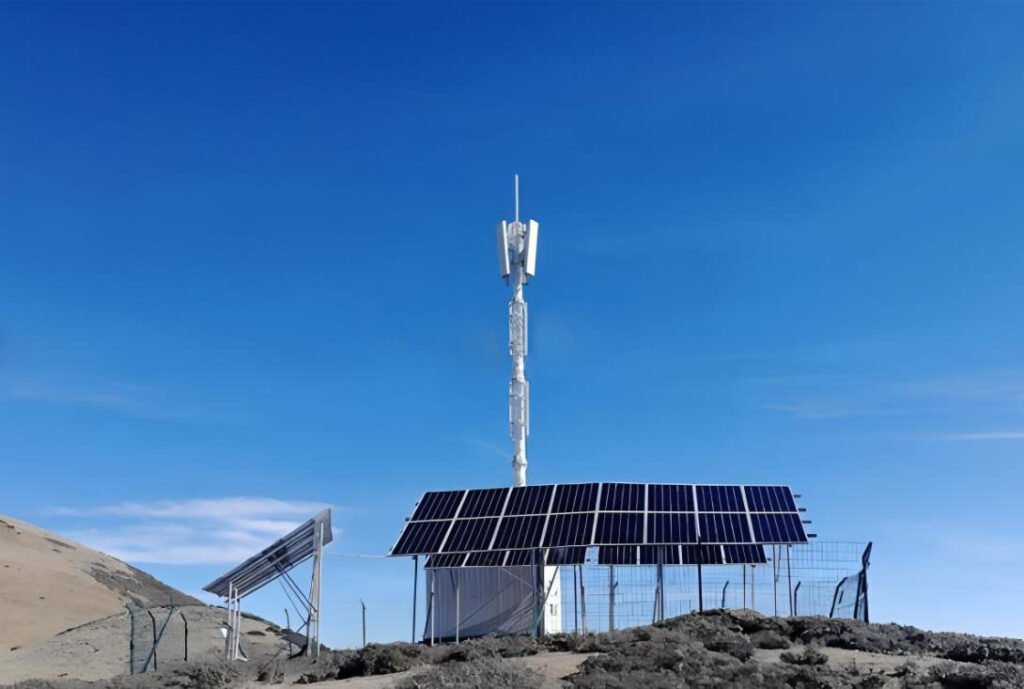
Technical Features and Application Value of Solar-Powered Base Stations Solar-powered base stations are green communication facilities that utilise solar power generation technology to provide energy for communication equipment. They offer advantages such as energy efficiency, environmental friendliness, and flexible deployment, playing a significant role in energy transition and optimising communication coverage. I. Core Technology and

Technical Features and Application Value of Solar-Powered Base Stations Read More »

Types of Roof-Mounted Solar Panel Mounting Systems and Installation Requirements

Types of Roof-Mounted Solar Panel Mounting Systems and Installation Requirements Roof-mounted solar panel mounting systems are primarily categorised into fixed mounting systems and sloped roof fixed mounting systems based on installation methods and functional characteristics. Each type has specific installation requirements, as detailed below. Fixed Mounting Systems Installation angle requirements: The installation angle should be

Types of Roof-Mounted Solar Panel Mounting Systems and Installation Requirements Read More »

Fish-Solar Synergy: A Green Dance of Water and Light, Composing a New Chapter in Rural Revitalisation

Fish-Solar Synergy: A Green Dance of Water and Light, Composing a New Chapter in Rural Revitalisation As the first rays of morning sunlight glisten on the rippling surface of the fish pond, the neatly arranged solar panels on the water begin to eagerly absorb solar energy, converting it into a steady stream of clean electricity.

Fish-Solar Synergy: A Green Dance of Water and Light, Composing a New Chapter in Rural Revitalisation Read More »

柔性抗震支撑:守护全球建筑安全的创新力量 在全球地震灾害频发的背景下,建筑机电系统抗震安全已成为国际工程领域的核心议题。柔性抗震支撑作为传统刚性支撑的升级解决方案,凭借动态缓冲、自适应变形等技术优势,为医院、学校、商业综合体等重点建筑提供全方位的抗震保护,重新定义建筑安全的“最后一道防线”。 核心价值:超越传统抗震解决方案 技术突破:从“被动抵抗”到“主动缓冲” 动态抗震机构:采用高性能复合弹性材料,模块化设计,支架在地震发生时可通过15°-30°的弹性变形吸收90%以上的侧向冲击力,防止因刚性断裂造成的管道坠落。 全生命周期安全:通过26项严苛的国际测试(包括150万次疲劳振动、-40℃至80℃极端环境模拟),确保建筑50年使用寿命内防护率达87.5%以上。 全球应用场景:从医院到城市枢纽 应用场景 核心功能 典型案例 医疗设施 确保ICU设备和供氧系统的持续运行 东京大学医学中心医院 交通枢纽 防止地铁管线脱落引发二次事故 迪拜国际机场3号航站楼 商业建筑保护消防和电力系统,以便灾后快速恢复纽约曼哈顿哈德逊广场 国际合规与质量承诺 权威认证体系 全面覆盖欧美标准:通过UL 2034抗震标准、CE建筑产品法规(CPR)EN 15085焊接质量标准认证,并符合加州OES-117地震规范。 本地化测试支持:可根据项目所在地的地震强度(例如日本的 JIS A 4420、澳大利亚的 AS/NZS 1170.4)制定定制的抗震解决方案,以确保与当地建筑法规无缝衔接。 端到端服务保障 项目实施支持:提供BIM三维建模、抗震计算报告生成、现场安装培训等“交钥匙”服务,将跨境项目工期缩短30%以上。 全球响应机制:拥有德国、新加坡、巴西三大技术中心,承诺24小时内响应客户需求,并提供五年免费结构安全检查。 品牌理念:安全无国界 “当地震波袭来,我们的支架不再是冰冷的金属,而是隐形的生命守护者。”——这是柔性抗震支架传递给全球客户的核心价值。从东京的医院到里约的体育场馆,我们相信真正的安全应该超越语言和地域,成为全人类通用的建筑语言。选择柔性抗震支架,就是为建筑注入“生命韧性”,确保城市在每一次震荡后都能迅速恢复活力。   “在加州地震中,一家配备柔性抗震支架的医院的ICU在主震发生后15分钟内恢复供电——这不是奇迹,而是工程责任的必然结果。” — 国际地震工程协会(IAEE)2024年度报告   如需定制抗震解决方案或国际项目案例研究,请联系我们的全球服务团队: 📧 admin@qejfasteners.com | 🌐 https://qejfasteners.com/   使用 DeepL.com(免费版)翻译

Read More »